
If breakers trip often under normal load, they may be worn out or faulty and need replacement.
A warm breaker suggests internal damage or overload risk — replacing it improves safety.
Rust, cracks, or discoloration on breakers can cause unreliable power flow or hazards.
Older breaker models may not meet current safety standards or handle modern electrical loads effectively.
When circuits power on and off randomly, it may indicate a failing breaker that must be replaced.
Unusual noises may signal loose connections or failing breakers — replacing them prevents bigger issues.
High‑power appliances require reliable breakers with correct ratings — replacing older ones ensures safe operation.
Replacing dated or weak breakers before failure ensures stable power and reduces risk of electrical faults.
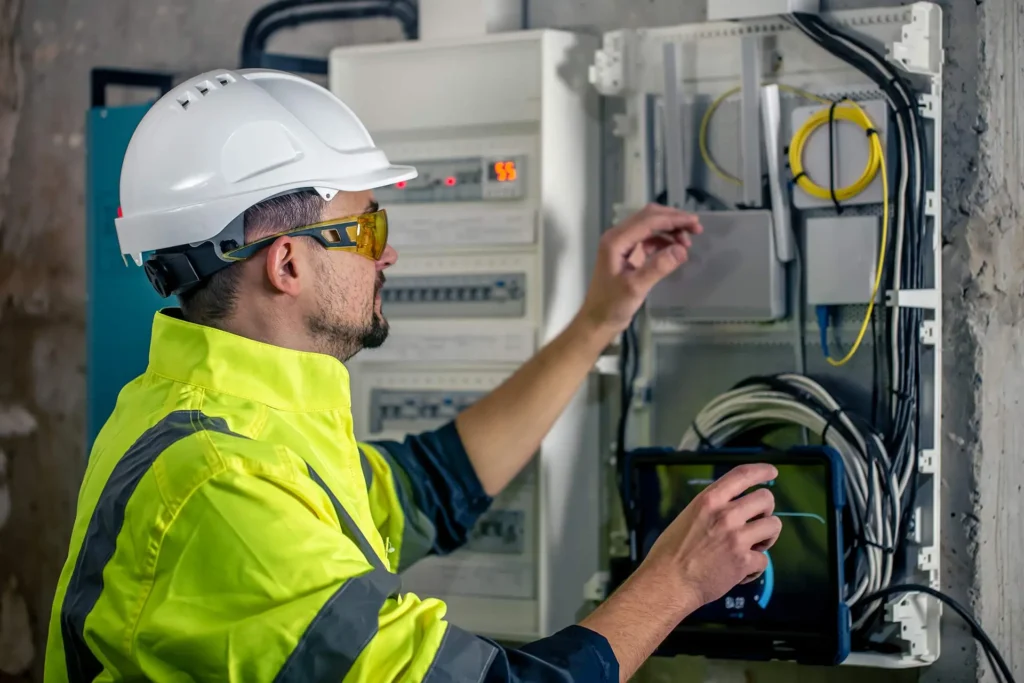
Replacing faulty protection devices restores reliable circuit protection and prevents potential electrical hazards.
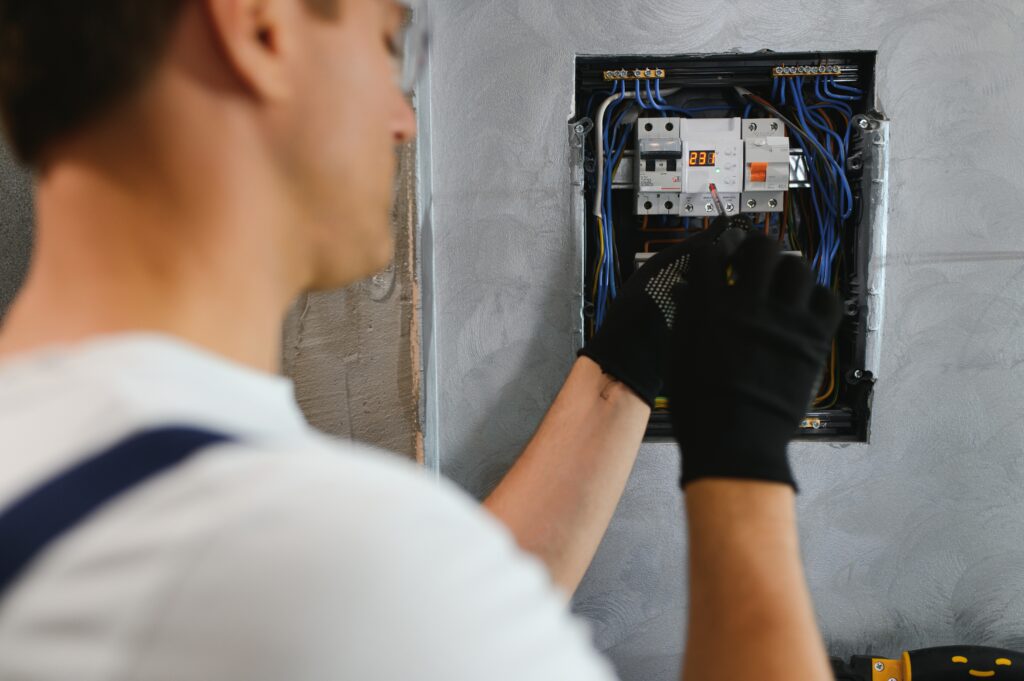

Signs include failure to reset, frequent trips without cause, visible damage, or age over 20 years.
We replace individual devices as needed; full replacement is unnecessary unless multiple devices show problems.
We maintain inventory for most brands and can source devices for discontinued equipment when available.
We disconnect power to the specific circuit; main power remains on except for main breaker replacement.
We investigate thoroughly and address any underlying circuit problems we discover.
Madison Electric © 2026 All Rights Reserved.