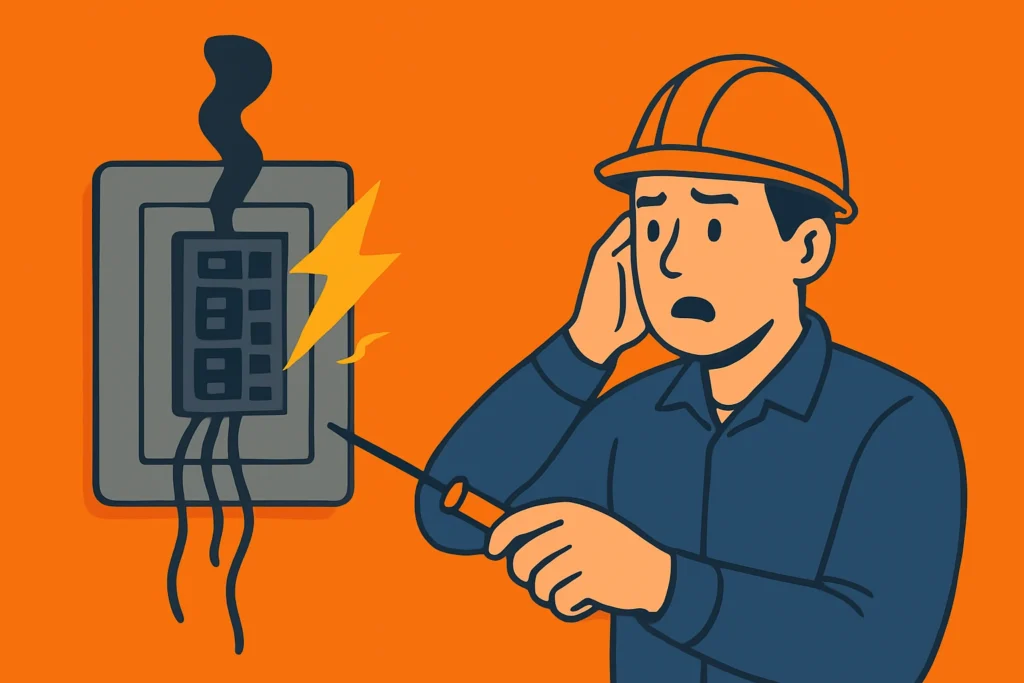

Electricity powers nearly every part of modern life. From lighting your home to running appliances, charging devices, and keeping heating and cooling systems functional, electrical systems are essential for comfort and convenience. Yet, like any system, electrical components can develop problems over time.
Some electrical issues are minor inconveniences, while others can pose serious safety risks, including fires, shocks, and expensive property damage. According to the Electrical Safety Foundation International, electrical malfunctions are one of the leading causes of residential fires.
Understanding common electrical problems and their solutions can help homeowners identify warning signs early, reduce repair costs, and maintain a safer property.
This guide explores the 10 most common electrical problems and practical solutions, along with expert prevention tips from professionals like Madison Electric.
Why Electrical Problems Happen
Before discussing specific issues, it helps to understand why electrical problems occur.
Aging Electrical Systems
Older homes often contain outdated wiring systems that were not designed to handle modern power demands.
Common issues include:
- Aluminum wiring
- Knob-and-tube wiring
- Undersized electrical panels
- Worn insulation
As systems age, performance decreases and risks increase.
Poor Installation
Electrical systems installed incorrectly often create recurring issues.
Examples include:
- Loose wire connections
- Improper breaker sizing
- Incorrect grounding
- Substandard materials
Even small installation errors can create major hazards.
Overloaded Circuits
Today’s households consume more electricity than ever.
High-demand appliances such as:
- Air conditioners
- Electric vehicle chargers
- Microwaves
- Gaming systems
- Space heaters
can overload circuits not designed for heavy use.
Environmental Damage
Electrical systems are vulnerable to:
- Moisture intrusion
- Rodent damage
- Extreme temperatures
- Corrosion
These factors weaken system integrity over time.
1. Frequent Circuit Breaker Tripping
One of the most common electrical issues is a breaker that trips repeatedly.
What Causes It?
Circuit breakers are designed to shut off power when a circuit becomes overloaded or unsafe.
Common causes include:
Overloaded Circuit
Too many devices drawing power simultaneously.
Short Circuit
A hot wire touches a neutral wire.
Ground Fault
Electrical current escapes its intended path.
Warning Signs
You may notice:
- Sudden loss of power
- Breaker switch moving to “off”
- Frequent resets needed
- Appliances shutting down unexpectedly
Solutions
Redistribute Power Usage
Move high-energy appliances to separate circuits.
Upgrade Circuits
Install dedicated circuits for large appliances.
Replace Faulty Breakers
Older breakers may fail prematurely.
Professional Inspection
A licensed electrician can identify deeper issues.
USP Insight:
Madison Electric specializes in diagnosing hidden overload causes using advanced electrical testing tools.
2. Flickering or Dimming Lights
Flickering lights are often dismissed as minor annoyances, but they may indicate serious problems.
Common Causes
Loose Bulbs
Simple but common.
Faulty Fixtures
Damaged sockets or worn connections.
Voltage Fluctuations
Inconsistent power delivery.
Wiring Problems
Loose or deteriorated wiring.
Solutions
- Tighten bulbs
- Replace damaged fixtures
- Test voltage stability
- Inspect wiring connections
If multiple lights flicker, call a professional immediately.
3. Dead Outlets
A non-working outlet is frustrating and may indicate internal damage.
Common Causes
Tripped GFCI Outlet
Especially in kitchens and bathrooms.
Tripped Breaker
Loose Wiring
Burned Outlet
How to Troubleshoot
Step 1
Press reset on nearby GFCI outlets.
Step 2
Check breaker panel.
Step 3
Test outlet with another device.
Professional Solution
If the outlet remains dead, internal wiring likely requires repair or replacement.
National Fire Protection Association notes that damaged receptacles are common contributors to electrical fires.
4. Electrical Surges
Power surges are sudden voltage spikes that can damage electronics.
Common Causes
- Lightning strikes
- Damaged power lines
- Faulty appliances
- Poor wiring
Effects of Power Surges
Repeated surges can shorten the lifespan of:
- Computers
- TVs
- Refrigerators
- HVAC systems
Solutions
Install Surge Protectors
Point-of-use surge strips help.
Whole-House Surge Protection
The best long-term protection.
Inspect Internal Wiring
Faulty wiring can trigger mini-surges.
Why Madison Electric Stands Out:
Their whole-home surge protection solutions safeguard expensive electronics and appliances.
5. High Electricity Bills
If your electricity bill suddenly rises, electrical inefficiencies may be the cause.
Possible Reasons
Phantom Loads
Devices consuming energy while “off.”
Outdated Appliances
Faulty Wiring
Poor Circuit Efficiency
Solutions
Energy Audit
Professional analysis pinpoints waste.
Upgrade to LED Lighting
Recommended by U.S. Department of Energy for significant savings.
Install Smart Monitoring Devices
Track usage patterns.
6. Light Switches Not Working Properly
Faulty switches often show subtle warning signs.
Symptoms
- Delay turning lights on
- Crackling sound
- Warm switch plate
- Intermittent operation
Causes
Internal Wear
Mechanical components degrade.
Loose Connections
Poor contact interrupts flow.
Wiring Issues
Hidden wall wiring faults.
Solution
Replace the switch and inspect wiring integrity.
Never ignore sparking switches.
7. Warm or Sparking Outlets
This is a serious safety concern.
Why It Happens
Overloaded Outlet
Too many high-draw devices.
Loose Wiring
Creates resistance heat.
Internal Damage
Broken contacts create sparks.
Immediate Actions
If you notice heat or sparks:
- Stop using outlet
- Unplug devices
- Shut off breaker
- Contact electrician
Professional Repair
An electrician will:
- Replace outlet
- Repair wiring
- Test load capacity
Madison Electric offers same-day outlet diagnostics for urgent safety issues.
8. Burning Smell from Electrical Components
A burning smell often signals overheating wires.
Potential Causes
- Melting insulation
- Overloaded circuits
- Faulty breakers
- Internal arcing
What to Do Immediately
Turn Off Power
At the breaker panel.
Avoid Touching Affected Area
Heat may indicate active danger.
Call Emergency Electrician
This issue should never wait.
Why It’s Dangerous
Electrical fires can start inside walls long before visible flames appear.
According to Consumer Product Safety Commission, electrical fires cause thousands of injuries annually.
9. Constantly Blowing Light Bulbs
If bulbs burn out too quickly, the issue may be deeper than bulb quality.
Common Causes
Wrong Wattage
Excessive heat shortens lifespan.
Loose Socket Connection
Creates intermittent current.
High Voltage
Voltage above normal household levels.
Solutions
- Use proper bulb wattage
- Replace faulty sockets
- Test home voltage
LED bulbs usually last significantly longer when systems operate correctly.
10. Outdated Electrical Panel
An old electrical panel can struggle with modern energy demands.
Warning Signs
- Fuse box instead of breaker panel
- Frequent tripping
- Burning odor near panel
- Rust or corrosion
- Buzzing sounds
Risks
Outdated panels may:
- Overheat
- Fail to trip
- Cause fires
- Limit home upgrades
Solution: Panel Upgrade
Modern panel upgrades improve:
- Safety
- Efficiency
- Capacity
- Code compliance
This is especially important if adding:
- EV chargers
- Hot tubs
- Solar systems
- New appliances
DIY Troubleshooting vs Professional Repairs
Some electrical issues allow safe homeowner action.
Safe DIY Tasks
Reset breaker
Replace light bulb
Reset GFCI outlet
Leave These to Professionals
✘ Rewiring
✘ Panel upgrades
✘ Outlet replacement
✘ Circuit diagnosis
✘ Burning smell investigation
Electrical mistakes can have severe consequences.
How to Prevent Common Electrical Problems
Prevention is always cheaper than repair.
Schedule Regular Inspections
Experts recommend inspections every:
- 3–5 years for newer homes
- 1–2 years for older homes
Avoid Overloading Outlets
Use dedicated circuits where needed.
Upgrade Aging Systems
Replace outdated:
- Panels
- Wiring
- Outlets
Install Surge Protection
Protect sensitive electronics.
Watch for Early Warning Signs
Never ignore:
- Flickering lights
- Buzzing sounds
- Warm outlets
- Burning odors
Why Professional Electrical Service Matters
Electrical systems are complex and dangerous.
Hiring licensed professionals ensures:
Safety
Work complies with local codes.
Accurate Diagnosis
Root causes are identified.
Long-Term Reliability
Repairs solve problems fully.
Warranty Protection
Professional workmanship guarantees confidence.
What Makes Madison Electric Different?
When electrical issues arise, choosing the right contractor matters.
Madison Electric, fast service, and dependable solutions.