How to Read Electric Meter

How to Read Electric Meter (And Take Control of Your Bills)

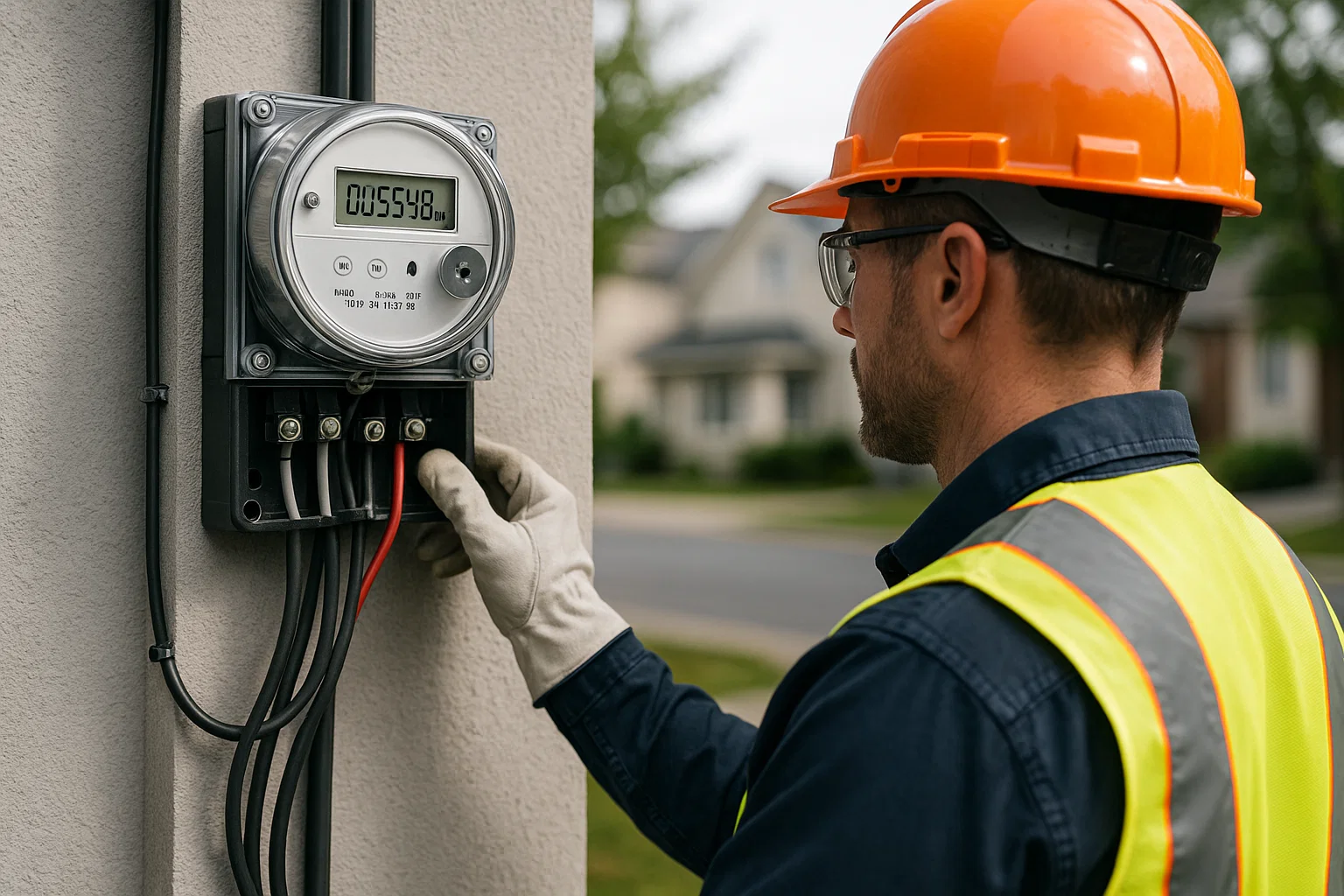
Whether you have traditional or smart meters installed, your electric meter tracks your energy usage in kilowatt hours (kWh). Digital meters display energy usage in numeric form, while smart meters display electricity usage and offer real-time monitoring through apps connected to the meter. To calculate your bill, subtract the previous reading from the current reading and multiply the kWh by the rate per unit. Understanding how to read electric meter can prevent you from overpaying or underpaying. Madison Electric understands the importance of safe electric systems and can help with upgrades to meet your specific electrical requirements.

How Can Taking a Meter Reading Help You Save on Energy Bills?

Do you know that poor insulation, improperly sealed windows and doors and an old HVAC can all drive up your energy bills? Are you aware that electricity costs are rising continuously, driven by factors like grid upgrades and 44 states experienced increased energy bills last year. Understanding your meter type and the display window is important when learning how to read electric meter. Accurate meter reads ensure the monthly bills are correct and help you manage your energy consumption. You can save money and prevent energy loss by regular monitoring.

Did you know? The US smart electricity meter penetration reached 82% last year. Growing at a CAGR of 2.9% till 2030, it will reach 91%, resulting in a total of 180.9 million units installed.

Want to take control of your electricity bills? Here is your guide to accurately reading an electric meter and saving money.

How to Read a Standard Meter

  1. To read the analog meter, identify the five dials and record the numbers from left to right.
  2. Record the lower value if the dial is somewhere in between two numbers.
  3. You can ignore the last digit on the right.
  4. Subtract the previous reading from the current numbers to understand your energy usage.
  5. If the previous reading was 6751kWh and the current is 6799kWh, this means you used 48 kWh.
Fast Fact According to the data from the US Energy Information Administration (EIA), the average residential electricity price is 17.47 cents per kilowatt-hour (kWh).

How to Read a Digital Meter

  1. Reading a digital electric meter is a straightforward process.
  2. Simply note down the numbers displayed from left to right.
  3. Don’t bother about the numbers in red.
  4. If there are two rows, this means your meter has day and night readings.
Fast fact As of October 2025, the average electricity rate in California is 32.58 cents per kWh. The average residential energy use of 491 per month and the average monthly bill is approximately $159.97

How to Read a Smart Meter

  1. To read smart meters, find the kWh display on the meter screen.
  2. For smart meters with A and B buttons, press A until you notice “Total Act Import” and the numbers in kWh. Note them as this is your meter reading.
  3. For smart meters with a keypad, press 9 until you see the numbers followed by kWh.
  4. Ignore any zeros at the beginning and numbers after the decimal points.
  5. You can always take advantage of the connected apps to know about the break down of your energy usage.
Factors Determining How Much You Pay
1. The time of day when you use energySome energy suppliers offer plans and discounts on energy usage within a specific time slot, like free or less priced energy from 9 pm to 6 am.
2. Seasonal RatesExpect to pay more during the summer in warmer regions due to higher demand for energy to cool homes. States with harsh winters charge more during winter.
3. Your LocationWhere you live can affect the bills. Electricity rates are different in each state and can also vary within a state.

How to break down your energy bills- Bill Analysis

  • Basic electricity fee is the fixed charge that an electricity provider charges.
  • Energy consumption is the amount of energy consumed in kWh multiplied by the energy rate per kWh.
  • Demand charge is taken from businesses and some residential consumers based on the maximum rate of usage at any particular time.
  • Taxes and additional fees mandated by local, federal and state regulatory authorities.

Conclusion

Knowing how to read electric meter saves you time and prevents any billing surprises. Digital meters have no complex display, while you need to be careful with analog ones. Smart meters are user friendly and highly accurate. Noting down the reading from the display and subtracting it from the previous value gives you the amount of energy consumed. Reading meters and calculating your bills empowers you to take charge of your energy needs and ensure your bills are correct.

FAQs

Which US state has the most expensive energy rates?

Hawaii residents pay the most expensive energy rates in the country, with an average rate of 39.36 cents per kWh, while Idaho pays the lowest rates at 12.28 per kWh.

How much does an average home in the US consume electricity as of October 2025?

Rates and usage vary but the average energy consumption in US homes is around 855kWh of electricity per month.

How can I easily estimate my energy bills?

You can use the Appliance Energy Calculator from the US Department of Energy website to estimate energy usage and costs.

Facebook
Twitter
LinkedIn

Leave a Reply

Your email address will not be published. Required fields are marked *